



+91 7743979315
info@stvincentngp.edu.in
Connect with us
A two-day local industrial visit to the Air Traffic System (ATS) Complex and Radar Building
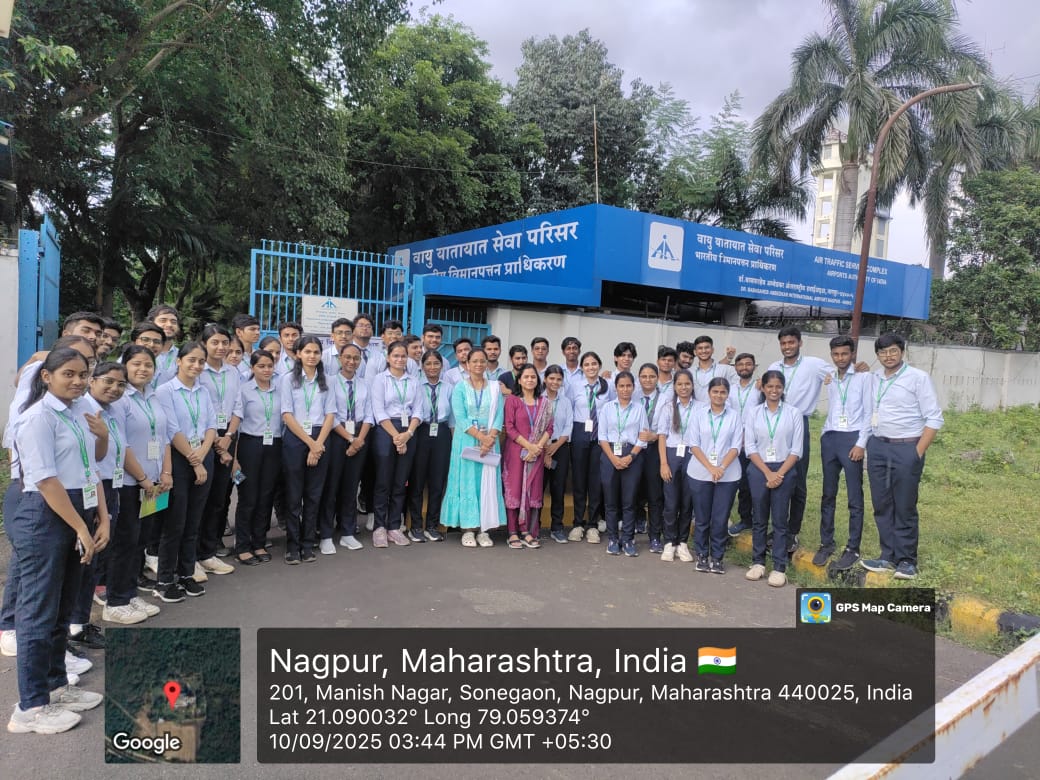
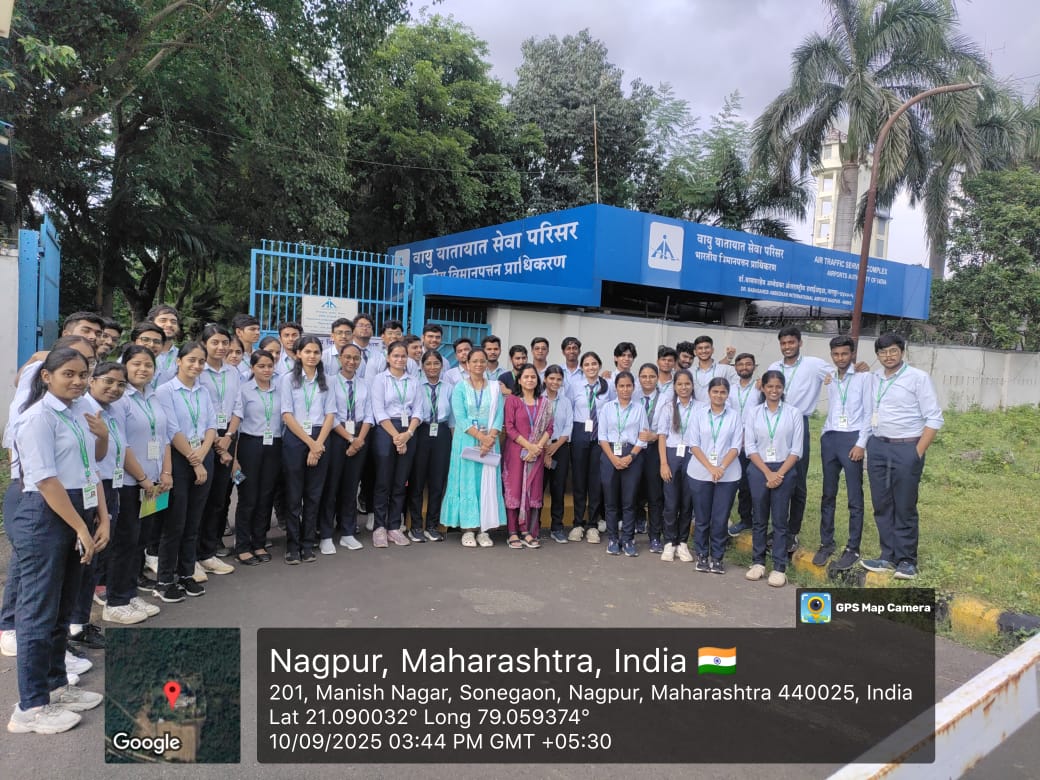
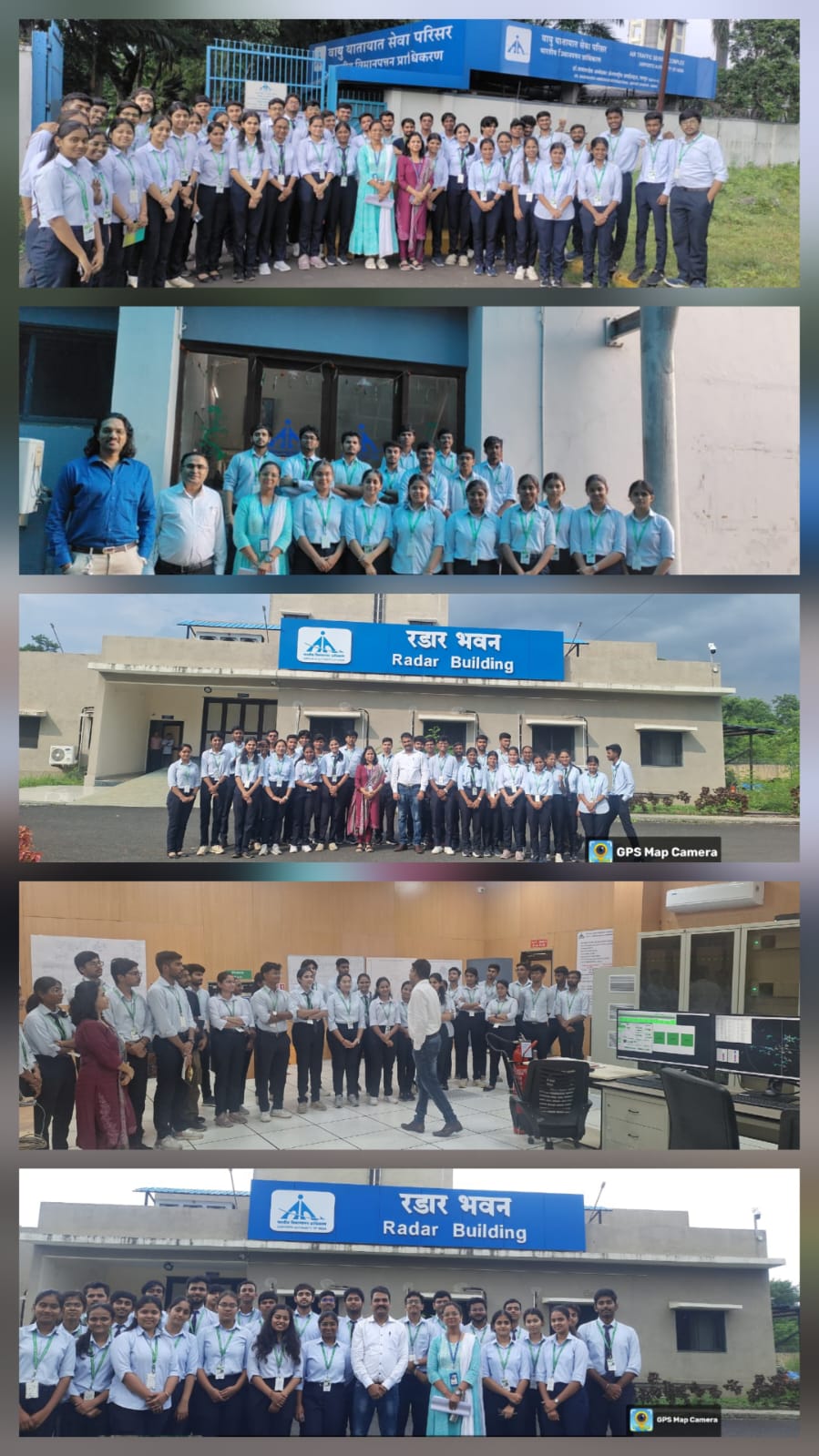
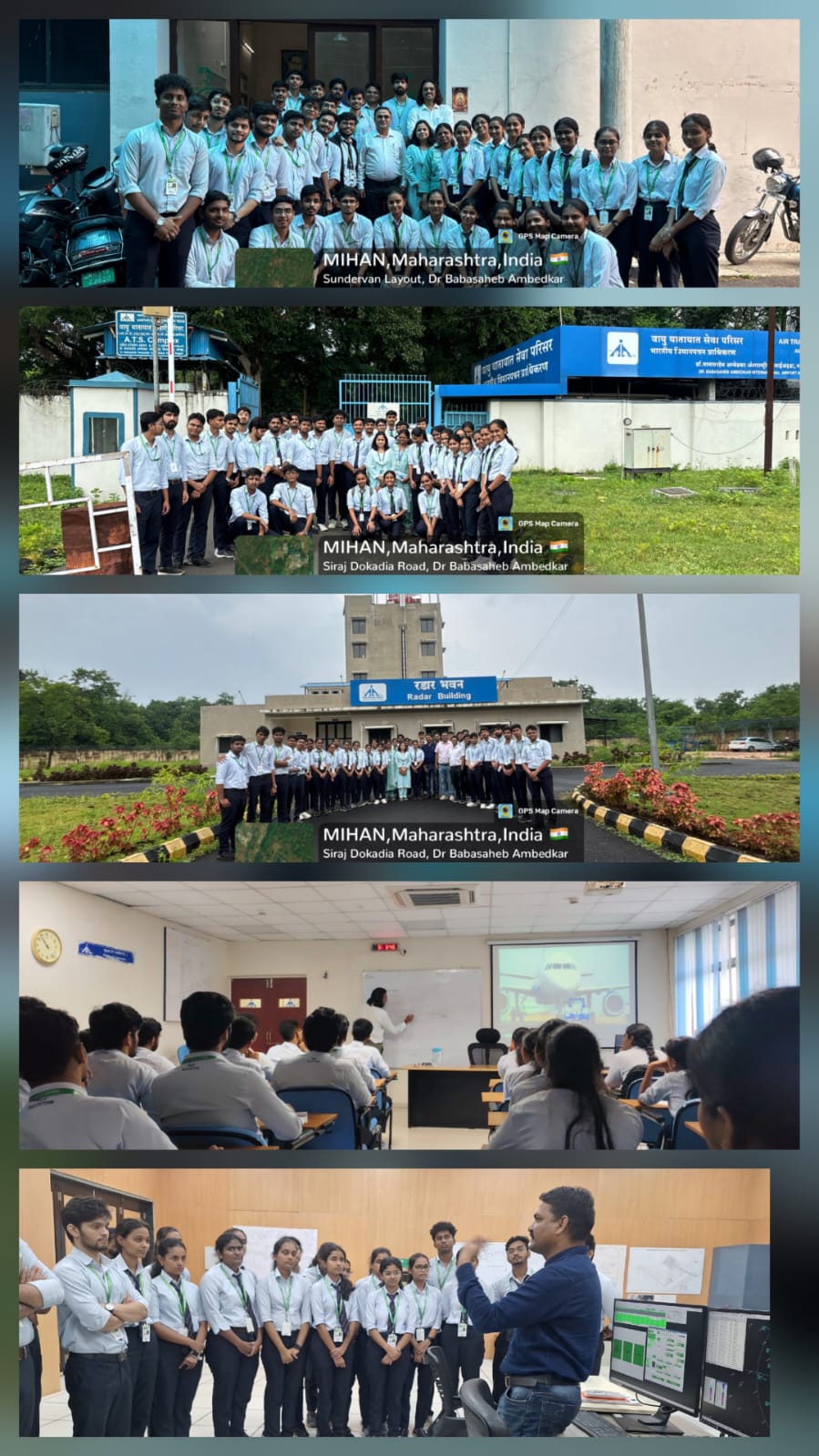
The Department of Computer Science and Engineering successfully organized a two-day local industrial visit to the Air Traffic System (ATS) Complex and Radar Building, Nagpur. The visit was conducted on 10th September 2025 for 3rd Year Section A and 11th September 2025 for 3rd Year Section B, with the objective of exposing students to real-world applications of radar technologies and air traffic management systems.
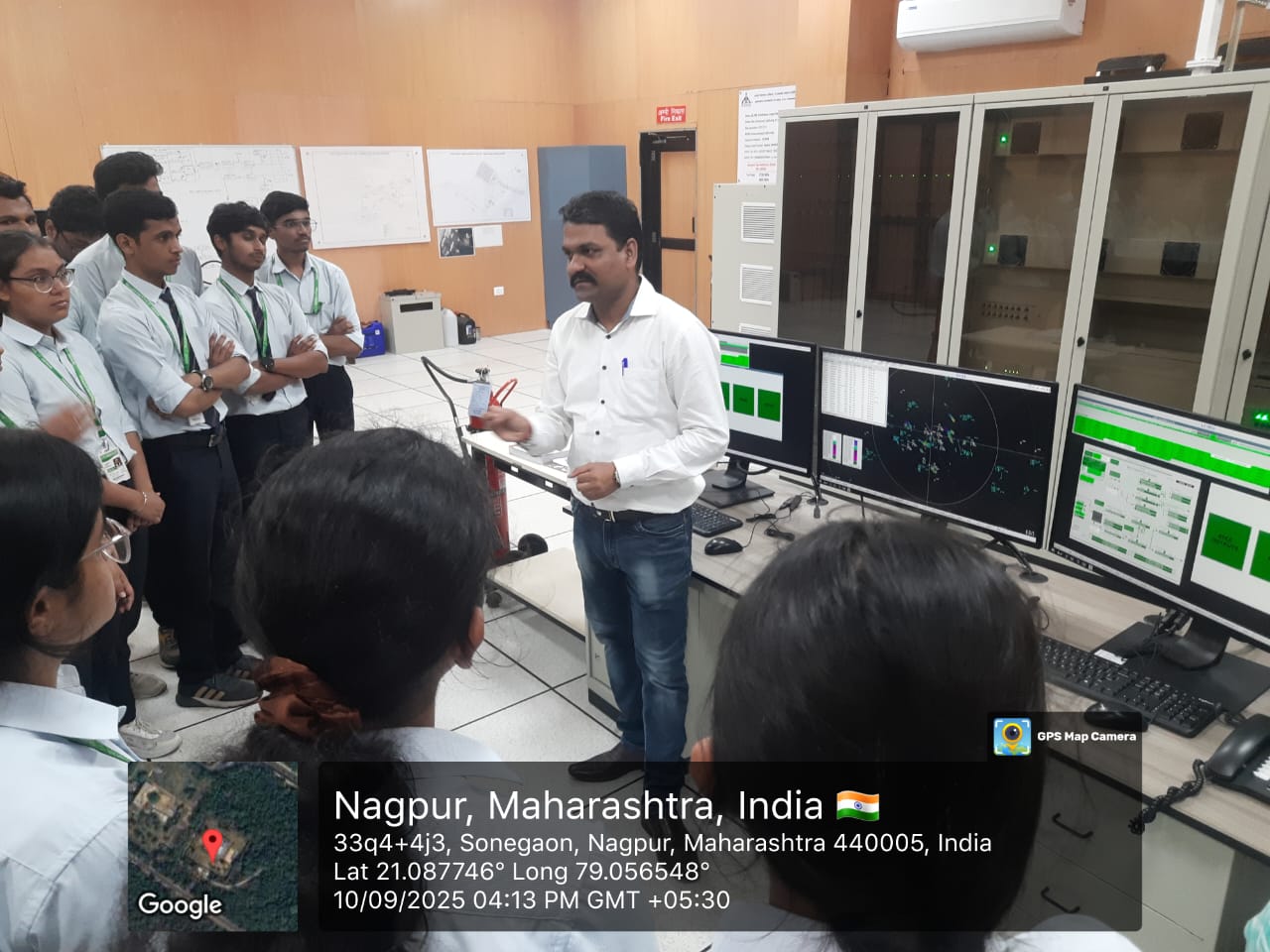
During the visit to Radar Bhavan, students learned about radar operations, including the use of primary radar for detecting aircraft positions and secondary radar for identity and altitude through transponder replies. They also explored CNS systems, ADS-B technology, and observed safety measures like radomes, lightning protection, and continuous monitoring. The role of local control systems and automation in ensuring reliability and preventing incidents was emphasized.
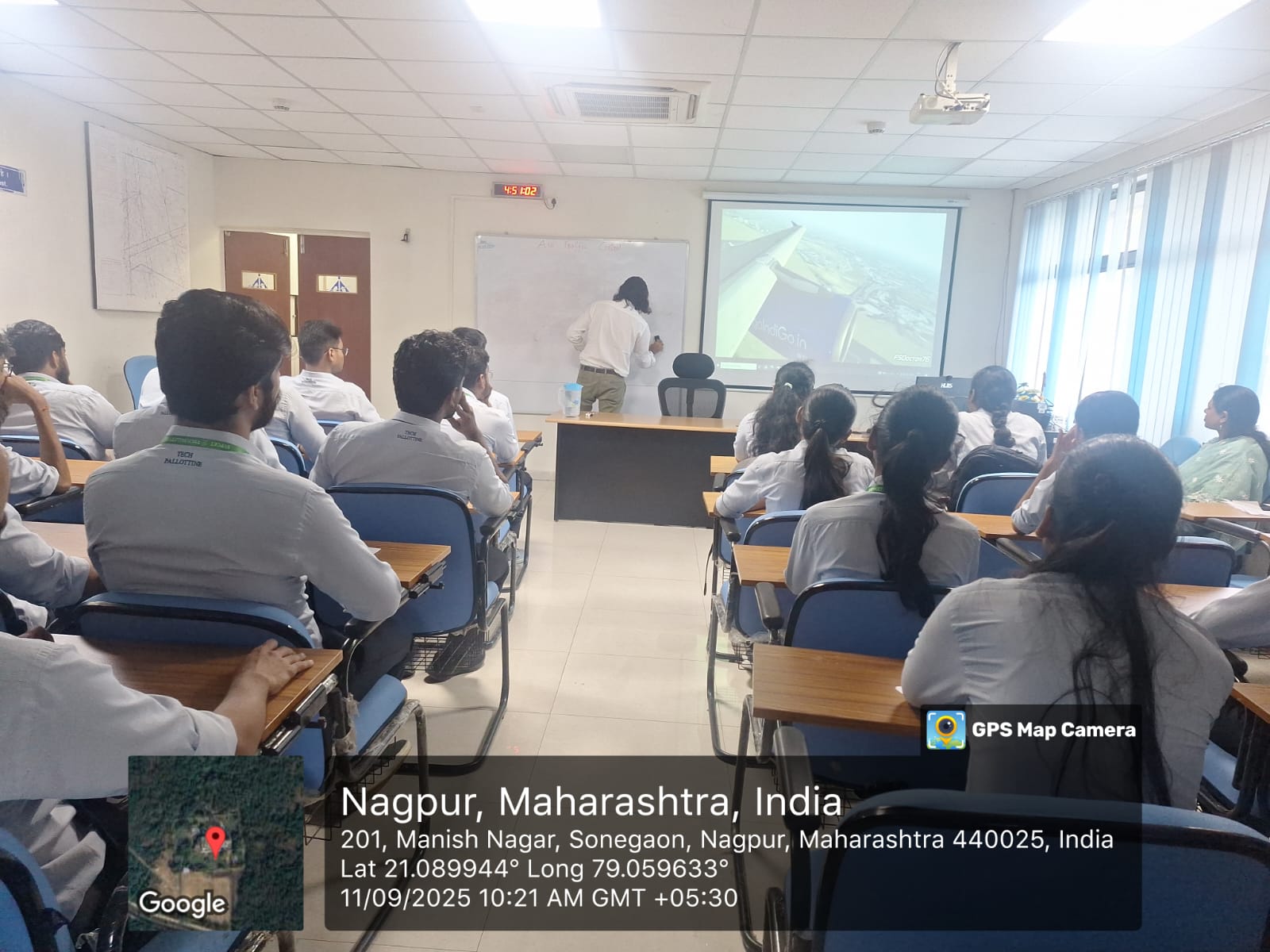
An interactive session at Nagpur ATC was conducted by Mr. Aashish Kumar Soni (Joint General Manager, ATC), Mr. Gaurav Rathore, and Mr. Mahindra Salvi (IT Coordinator & Assistant General Manager, ATC). They gave their valuable time and explained in detail how the Air Traffic Control (ATC) and Radar systems function to ensure safety and efficiency in air travel. Students learned how flight plans are processed, verified for national security, and approved for safe airspace management. They also explored ground operations such as taxiways, pushback trucks, firefighting infrastructure, and the role of Aviation Turbine Fuel (ATF). Additional insights were provided into runway operations, including takeoff speeds, safety margins, and the use of the Instrument Landing System (ILS) for precision landings. The session emphasized how ATC divides flights into sectors, continuously monitoring and guiding aircraft to maintain efficiency and safety.
The visit was coordinated by Dr. Pallavi Wankhede (Dept. III Cell I/C), Prof. Yogita Nikhare, and Prof. Priti Bhaghat, with active support from a student team of the Department of Computer Science and Engineering. Overall, the industrial visit successfully bridged classroom learning with practical exposure, enhancing students’ understanding of aviation technology, communication systems, and radar-based surveillance.
No documents available.